Are Bed Bugs in Corona Hard to Eliminate?
The presence of bed bugs inside homes can create stress for homeowners. These tiny pests hide well and spread quietly. They can leave itchy bites that disrupt sleep. However, bed bugs can move from place to another due to constant travel, warm weather, and dense neighborhoods in Corona.
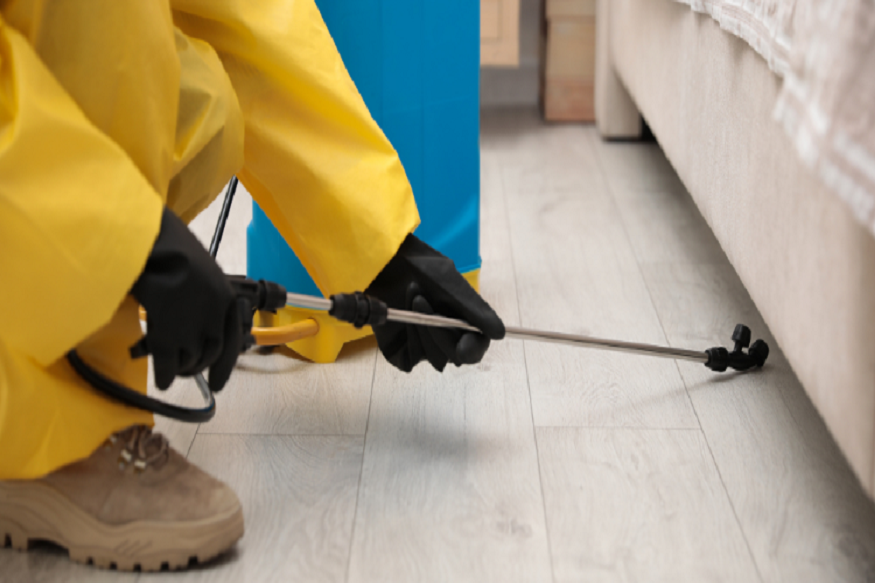
Many homeowners try to handle the issue on their own, but bed bugs are best left to the experts. These pests require specialized equipment and treatment to be fully eliminated. Akela Pest Control can deploy a pest control team to handle an infestation for you. They will assess the severity of the problem to come up with the right approach against bed bugs. Bed bugs can be hard to eliminate due to the following reasons:
They Hide in Tight, Unexpected Spaces
Bed bugs can hide in bed frames, sofas, rugs, outlets, baseboards, clothing, and folds in curtains. Their flat bodies make it easy for them to slip into cracks not wider than a credit card. They can be hard to find and remove once they settle into these tight areas.
Read More: The Ultimate Sleep Sanctuary: Why Hypoallergenic Cooling Sheets Are a Game Changer
The warm conditions in homes help bed bugs stay active through much of the year. A bedroom can have dozens of hiding places for these bugs. This is why a simple vacuum pass or a chemical spray does not remove the entire population.
Bed Bugs Multiply Fast
A mature female bed bug lays batches of eggs week after week. These eggs stick to surfaces and are tough to notice due to their size and pale color. The cycle continues quietly until the population reaches a level that becomes impossible to ignore. Thus, missing a handful of eggs during treatment can lead to a new wave of bed bugs in a short amount of time.
They Can Survive Long Periods Without Feeding
Bed bugs can go months without a meal, which gives them a huge advantage when homeowners try to wait them out. Even if a room stays empty for a while, bed bugs may survive until a new source of blood becomes available.
Some families in Corona work long hours or spend more time outdoors during warm seasons. Thus, bugs can take full advantage of long periods without activity. They stay tucked away, conserve energy, and wait for the right moment to feed again.
Many DIY Products Do Not Reach Their Hiding Spots
Hardware stores carry sprays, powders, and traps, but these methods may not be effective against bed bugs. Many products kill only on contact. The infestation may continue if the spray does not reach deep cracks or hidden egg clusters.
Bed bugs also move away from treated areas. They squeeze into walls, furniture joints, or floor gaps until the product wears off. Some DIY products may push them deeper into the home, which leads to a wider problem.
Bed Bugs Resist Certain Chemicals
Bed bugs have grown resistant to some pesticides. This resistance makes many over-the-counter products less effective than expected. You may treat the area correctly but still see them return.
Read More: Choosing Bedroom Furniture That Balances Comfort, Style, and Purpose
Professional-grade treatments in Corona focus on methods that bypass these resistance issues. Heat treatment is a common example. Bed bugs cannot survive certain temperatures, which makes heat an effective option for large or stubborn infestations.
They Move Easily Between Rooms
If you treat one room but leave others untouched, bed bugs can simply relocate. These pests move along electrical lines, wall voids, carpet edges, and baseboards. A bedroom problem can spread to a living room or hallway in a matter of days. In addition, bed bugs may move from one unit to another, which makes elimination more complex. Treating one section alone may not solve the full issue when the infestation spreads.