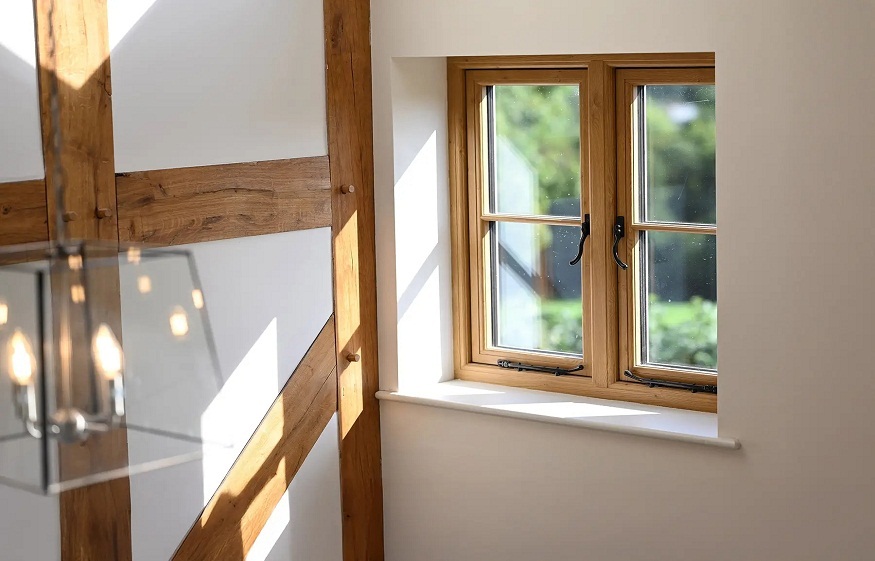
Wooden windows have long been admired for their timeless appearance and classic charm. For decades, they were the preferred choice for residential buildings because of their natural aesthetics and craftsmanship. However, modern construction has evolved significantly, and homeowners today look beyond appearance when selecting window systems. Durability, energy efficiency, security, weather resistance, and low maintenance have become equally important factors.
This is why many homeowners, architects, and builders are replacing traditional wooden windows with uPVC windows. Designed to meet the demands of contemporary living, uPVC window systems offer a perfect balance of functionality, performance, and style. Whether you’re renovating an older home or upgrading your property for better efficiency, replacing wooden windows with uPVC can deliver long-term benefits that go beyond aesthetics.
Why Homeowners Are Moving Away from Wooden Windows
Wood remains a beautiful material, but it also comes with challenges that become more noticeable over time. Wooden windows require regular maintenance to preserve their appearance and structural integrity. Exposure to rain, sunlight, humidity, and insects can gradually affect their performance, leading to higher maintenance costs and reduced lifespan.
Read More : Step-by-Step Guide to Planning a Kitchen Renovation in Los Angeles
Modern homeowners are increasingly choosing alternatives that provide similar visual appeal while eliminating many of these maintenance concerns. uPVC has emerged as one of the most reliable options because it combines durability, performance, and cost-effectiveness in a single solution.
1. Low Maintenance and Hassle-Free Care
One of the biggest advantages of replacing wooden windows with uPVC is the significant reduction in maintenance.
Wooden frames typically require periodic painting, polishing, or varnishing to protect them from moisture and sunlight. Over time, they may develop cracks, peel, or lose their finish, requiring additional repairs.
uPVC windows, on the other hand, maintain their appearance with minimal effort. A simple wipe with a soft cloth and mild cleaning solution is usually enough to keep them looking clean. Since they do not require repainting or polishing, homeowners save both time and maintenance costs over the years.
2. Excellent Resistance to Weather
India’s climate varies from extreme summer heat and heavy monsoons to humid coastal conditions. Wooden windows can absorb moisture, causing swelling, warping, or shrinking as weather conditions change.
uPVC windows are specifically engineered to withstand harsh environmental conditions. They resist rain, humidity, UV exposure, and temperature fluctuations without losing their shape or structural strength. This consistent performance makes them suitable for homes in almost every region of the country.
3. Better Energy Efficiency
Energy-efficient homes are becoming increasingly important as electricity costs continue to rise.
Wood provides some natural insulation, but modern uPVC window systems are designed to offer superior thermal performance. Their multi-chambered profiles reduce heat transfer, helping maintain comfortable indoor temperatures throughout the year.
When combined with double-glazed glass, uPVC windows help keep homes cooler during summer and warmer during winter. This improved insulation can reduce dependence on air conditioning and heating systems, contributing to lower energy consumption and greater comfort.
4. Protection Against Termites and Rot
One of the major drawbacks of wooden windows is their vulnerability to termites, fungi, and decay. In many regions, homeowners spend considerable amounts on pest control and repairs to prevent structural damage.
uPVC is naturally resistant to termites, insects, and rot. Unlike wood, it does not absorb moisture or provide conditions that encourage pest infestations. This makes uPVC windows a reliable long-term investment, particularly in areas prone to termite activity.
5. Longer Lifespan
Replacing wooden windows with uPVC is often a long-term decision because of the material’s durability.
High-quality uPVC windows are designed to maintain their performance and appearance for many years without significant deterioration. They resist corrosion, fading, cracking, and warping, making them well suited for both residential and commercial applications.
Their long service life reduces the need for frequent replacements, providing excellent value over time.
6. Improved Home Security
Modern window systems are expected to provide both comfort and security.
Many uPVC windows feature reinforced profiles and advanced multi-point locking systems that offer enhanced protection against forced entry. These security features, combined with toughened or laminated glass, help create a safer living environment for homeowners and their families.
While wooden windows can also be fitted with quality hardware, uPVC systems are specifically designed to integrate modern security technologies more efficiently.
7. Better Noise Insulation
For homes located near busy roads, commercial areas, railway stations, or airports, outside noise can become a daily concern.
uPVC windows offer excellent acoustic insulation, especially when paired with double-glazed glass. Better sound insulation improves comfort while making homes more suitable for work, study, and relaxation.
8. Wide Range of Modern Designs
Earlier, many homeowners preferred wooden windows because they offered a traditional appearance. Today, uPVC windows are available in a variety of colours, finishes, and woodgrain textures that replicate the natural look of timber while providing modern performance benefits.
They are also available in multiple styles, including:
- Sliding windows
- Casement windows
- Tilt-and-turn windows
- Fixed windows
- French windows
- Combination window systems
This versatility allows homeowners to achieve the desired architectural style without compromising on durability or efficiency.
9. Environmentally Responsible Choice
Sustainable construction has become a priority across the building industry. Replacing old wooden windows with energy-efficient uPVC systems contributes to greener buildings in several ways.
Many modern uPVC profiles are recyclable and designed for long service life, reducing material waste. Their thermal insulation properties also help lower energy consumption, supporting environmentally conscious construction practices and reducing the overall carbon footprint of buildings.
Is It Worth Replacing Wooden Windows?
For most homeowners, the answer is yes. While wooden windows continue to have aesthetic appeal, they require continuous care and maintenance throughout their lifespan.
Replacing them with high-quality uPVC windows provides several practical advantages, including improved durability, reduced maintenance, better insulation, enhanced security, and long-term cost savings. Over time, these benefits often outweigh the initial investment, making uPVC a smart upgrade for modern homes.
Conclusion
Replacing wooden windows with uPVC is more than just a cosmetic improvement—it is an investment in the comfort, efficiency, and longevity of your home. Modern uPVC window systems combine attractive designs with advanced performance, offering excellent resistance to weather, termites, moisture, and daily wear.
Read More : Choosing Bedroom Furniture That Balances Comfort, Style, and Purpose
Whether you’re renovating an older property or building a new one, choosing uPVC windows can help create a home that is easier to maintain, more energy-efficient, quieter, and more secure. As homeowners continue to prioritize sustainable and high-performance building materials, uPVC windows are proving to be a practical and future-ready alternative to traditional wooden frames.