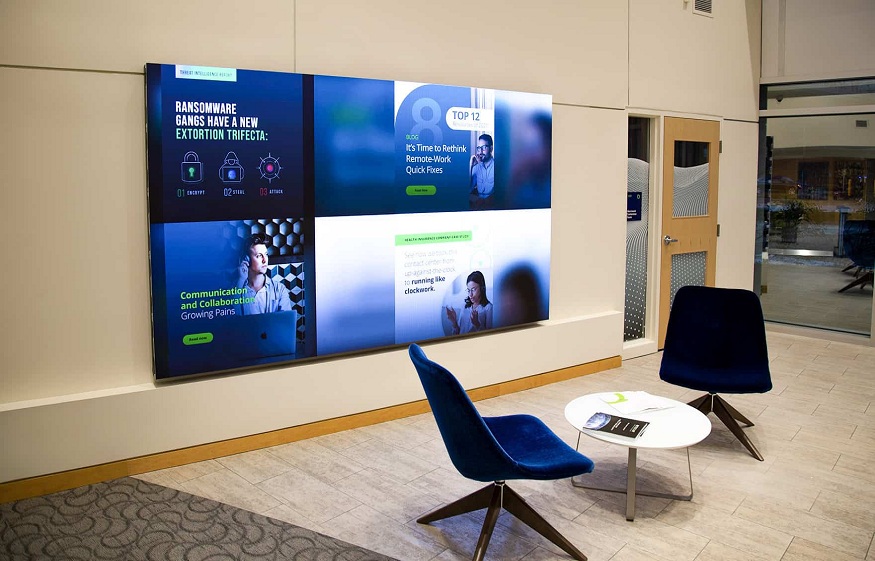
Digital signage has become a pivotal tool in modern marketing and communication strategies, leveraging the power of visual appeal to engage audiences effectively. When combined with network connectivity, digital signage transcends its basic functions, offering dynamic, real-time, and interactive content that can significantly enhance user experience and operational efficiency. Here are several ways in which network-connected digital signage can improve your content and overall communication strategy.
Real-Time Updates and Dynamic Content
One of the primary advantages of network-connected digital signage is the ability to update content in real-time. This capability is invaluable for businesses that need to disseminatetimely information. For instance, retail stores can instantly update their digital displays to reflect current promotions, flash sales, or seasonal offers. This ensures that customers are always presented with the latest information, maximising the impact of marketing campaigns. Retailers can also use this feature to highlight new arrivals or special events, keeping the content fresh and engaging, which can lead to increased foot traffic and sales.
Similarly, in corporate environments, digital signage can be used to display up-to-the-minute company news, event schedules, or emergency notifications, ensuring that all employees are well-informed. This is particularly useful in large organisationswhere communicating changes or updates promptly can be challenging. Digital signage can also be employed to share performance metrics, motivational messages, or social media updates, fostering a more connected and informed workplace. Additionally, during emergencies or unexpected situations, digital signage provides a rapid way to disseminate crucial information, enhancing the safety and preparedness of employees. This real-time communication capability not only improves operational efficiency but also enhances overall employee engagement and satisfaction.
Centralised Content Management
Network connectivity allows for centralised content management, making it easier to control and deploy content across multiple displays and locations. This centralised approach is particularly beneficial for businesses with a widespread presence, such as chain stores, universities, or multinational corporations. A single administrator can manage the content for all locations, ensuring consistency and coherence in the messaging. This not only saves time and reduces the risk of errors but also allows for coordinated campaigns that can be rolled out simultaneously across all sites.
Read More: The Ultimate Sleep Sanctuary: Why Hypoallergenic Cooling Sheets Are a Game Changer
Centralised content management enhances agility and responsiveness to market dynamics. In retail environments, for instance, centralised control enables rapid adjustments to pricing, product promotions, or inventory updates across all stores in response to competitive pressures or market trends. This flexibility ensures that each location remains aligned with the overarching marketing strategy while accommodating local variations or needs. Additionally, in educational institutions, centralised content management supports uniform communication of campus events, academic updates, and emergency notifications, fostering a cohesive and informed community.
Interactive and Personalised Experiences
Digital signage with network connectivity enables interactive and personalised content, enhancing user engagement. Touchscreen capabilities and integration with mobile devices allow users to interact directly with the signage, accessing detailed information, browsing catalogues, or participating in surveys. This interactivity transforms the passive viewing experience into an active engagement where users can actively explore products or services at their own pace. For instance, in a retail setting, customers can use touchscreen displays to explore different product features, compare options, and even place orders directly from the digital signage, enhancing convenience and reducing barriers to purchase.
Additionally, data analytics play a crucial role in leveraging network-connected digital signage for personalised content delivery. By tracking user behaviour and preferences, businesses can dynamically adjust the content displayed on digital signage to cater to individual interests. For example, a shopping mall can use data analytics to identify frequent visitors and display tailored advertisements or promotions based on their shopping habits or demographic profiles. This level of personalisation not only enhances relevance but also increases the likelihood of capturing the audience’s attention and driving desired actions, such as making a purchase or visiting a specific store.
Enhanced Multimedia Capabilities
Network-connected digital signage supports a wide range of multimedia formats, including high-resolution images, videos, animations, and live feeds. This versatility allows businesses to create rich, engaging content that captures attention and conveys messages more effectively than static images or text alone. For instance, restaurants can display vibrant, rotating images of menu items or video clips of food preparation to entice customers. This dynamic presentation not only showcases the variety and quality of offerings but also enhances the dining experience by providing visual cues that stimulate appetite and curiosity.
Read More: Choosing Bedroom Furniture That Balances Comfort, Style, and Purpose
In corporate settings, network-connected digital signage serves as a versatile communication tool. Live news feeds, stock market updates, or social media streams can be integrated into the signage, providing employees and visitors with a comprehensive information hub. This real-time information keeps stakeholders informed about industry trends, company updates, or global events, fostering a more informed and engaged audience. Additionally, digital signage can be used in internal communications to display employee achievements, upcoming events, or training videos, reinforcing corporate culture and improving overall communication within the organisation. The ability to seamlessly integrate multimedia content ensures that digital signage remains a dynamic and impactful communication medium across various business environments.
Data-Driven Insights and Optimisation
The integration of network connectivity with digital signage enables the collection and analysis of data regarding viewer interactions and content performance. Advanced analytics tools can track metrics such as engagement rates, dwell times, and viewer demographics. This data provides valuable insights into what content resonates most with the audience, allowing businesses to refine their strategies and optimise future content for better performance. For example, in retail environments, digital signage analytics can reveal which product displays attract the most attention and which promotions lead to increased sales, guiding decisions on inventory placement and promotional strategies.
Continuous monitoring and adjustment based on real-time data ensure that the content remains relevant, effective, and aligned with the audience’s interests and needs. Businesses can use A/B testing techniques to compare different content variations and determine which ones generate higher engagement or conversion rates. This iterative process of experimentation and refinement helps maximise the impact of digital signage campaigns over time. Moreover, analytics can also provide insights into viewer demographics, such as age, gender, and location, allowing for more targeted content personalisation. By tailoring content based on demographic data, businesses can create more relevant and engaging experiences that resonate with specific audience segments, thereby increasing the overall effectiveness of their digital signage strategies.
For wider commercial, hospitality, or public-facing projects, small supporting details can make the finished space feel more complete. Composite decking can provide a durable, low-maintenance surface for terraces, entrances, outdoor seating areas, and customer-facing spaces; while hand dryers can support cleaner, more efficient washroom facilities; while traditional signage can add character, direction, and brand presence.
Conclusion
Network-connected digital signage is a powerful tool that enhances content delivery through real-time updates, centralised management, interactive experiences, enhanced multimedia capabilities, and data-driven insights. By leveraging these advantages, businesses can create more engaging, relevant, and effective content, ultimately improving communication with their audiences and achieving better outcomes. As technology continues to advance, the potential for network-connected digital signage to revolutionise content strategies will only grow, making it an indispensable asset in the modern marketing toolkit.