The Ultimate Sleep Sanctuary: Why Hypoallergenic Cooling Sheets Are a Game Changer
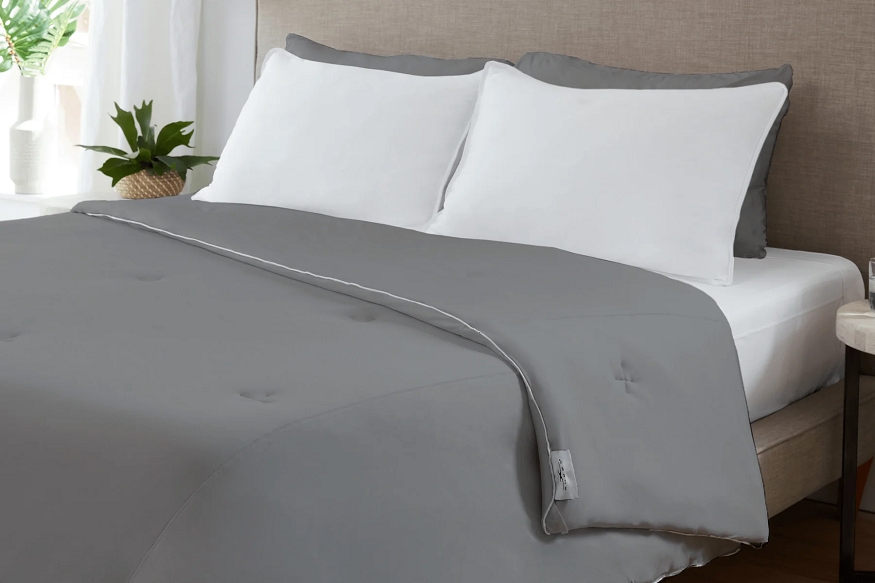
For those with sensitive skin or a tendency to overheat at night, the quest for a restful night can often feel like an uphill battle. Traditional bedding materials, while seemingly soft, can frequently harbor allergens or trap body heat, leading to a cycle of irritation and interrupted sleep. The skin is the body’s largest organ and is particularly vulnerable during the hours we spend in bed, as the constant friction and trapped moisture can exacerbate conditions like eczema, hives, or general dermatitis. This has led to the rise of SHEEX Original Performance Cooling Sheets, a specialized category of bedding designed to create a soothing, temperature-regulated environment that caters specifically to the needs of the delicate sleeper.
The Intersection of Hypoallergenic Properties and Temperature Control
Understanding why certain materials work better for sensitive skin begins with the concept of breathability. When a fabric allows for air circulation, it prevents the buildup of heat and moisture against the skin. For individuals who struggle with night sweats, moisture can act as a bridge for bacteria and dust mites, which are primary triggers for skin flare-ups and respiratory allergies. Hypoallergenic cooling sheets are typically made from fibers that are naturally resistant to these common household allergens.
By combining these protective qualities with thermal regulation, these sheets address the two most common barriers to deep sleep. When the body temperature drops slightly, it signals to the brain that it is time for restorative rest. Fabrics that actively wick moisture away and promote a cool touch ensure that this biological signal is not interrupted by physical discomfort. For the sensitive sleeper, this means waking up without the redness or itching often associated with heavy, non-breathable fabrics like low-quality polyester or dense, unrefined cotton.
Bamboo Lyocell and the Power of Nature
One of the premier options for those seeking a hypoallergenic and cooling experience is bamboo lyocell. Unlike traditional bamboo viscose, which may involve harsh chemical processing, lyocell is produced using a closed-loop system that is gentler on the environment and the final product. Bamboo is naturally antimicrobial and moisture-wicking, making it an ideal candidate for anyone with reactive skin.
Read More: Choosing Bedroom Furniture That Balances Comfort, Style, and Purpose
The texture of bamboo lyocell is often compared to silk but with a much higher degree of breathability. It has a rounder, smoother fiber structure than cotton, which minimizes the mechanical irritation caused by the fabric rubbing against the skin as you move. Furthermore, bamboo is excellent at absorbing moisture without feeling damp, which keeps the sleep surface dry and inhospitable to dust mites. This combination of a silky feel and a dry environment makes it a top choice for those who need to keep their skin calm throughout the night.
Tencel Eucalyptus Sheets for Unmatched Smoothness
Another highly regarded material in the world of specialized bedding is Tencel, a brand of lyocell derived from eucalyptus trees. Eucalyptus fibers are inherently hypoallergenic and are prized for their incredible smoothness. For individuals with severe skin sensitivity, even the tiny “hairs” found on traditional cotton sheets can cause discomfort. Tencel fibers are remarkably consistent and smooth, providing a cool-to-the-touch sensation that is immediate upon getting into bed.
Read More : Step-by-Step Guide to Planning a Kitchen Renovation in Los Angeles
Eucalyptus-based fabrics are also known for their impressive moisture management. They are able to absorb significantly more moisture than cotton, pulling it into the center of the fiber and releasing it into the air. This keeps the skin surface at a stable temperature and prevents the “clammy” feeling that often wakes up hot sleepers. Because these sheets are so effective at managing the microclimate of the bed, they are often recommended by dermatologists for patients who suffer from night-time itching or heat-related rashes.
Conclusion
The journey to a better night’s sleep for the sensitive and hot sleeper is paved with the right materials. Whether you opt for the eco-friendly smoothness of bamboo lyocell, the moisture-wicking power of Tencel eucalyptus, or the classic luxury of silk, the transition to hypoallergenic cooling sheets can have a profound impact on your overall well-being. By investing in bedding that respects your skin’s needs and regulates your body’s temperature, you are not just buying fabric; you are creating a sanctuary that supports your health and recovery. Sleep is the foundation of a healthy life, and for those with sensitive skin, the right sheets are the most important part of that foundation.